HubSpot Forms Editor
Redesign
Project Details
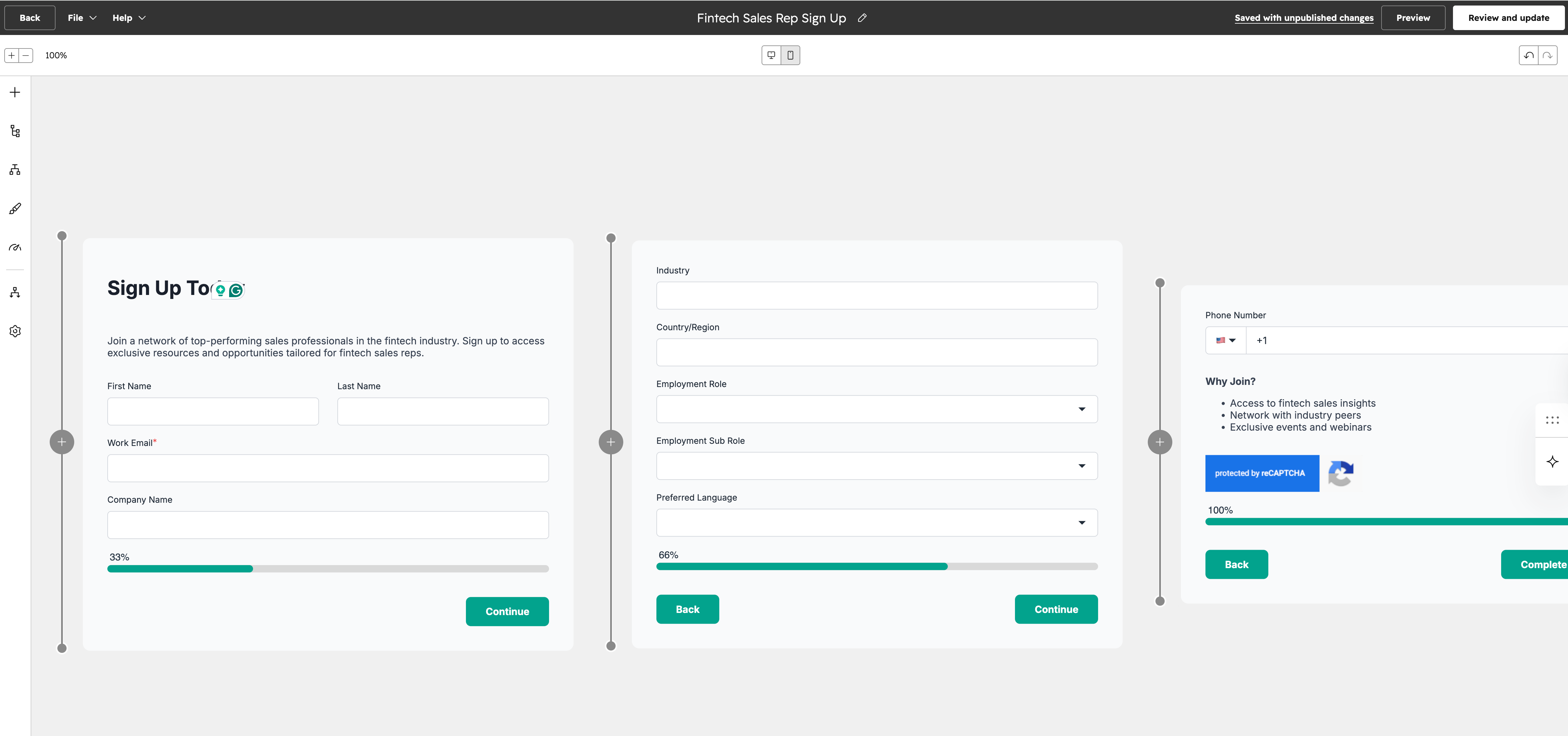
HubSpot’s legacy Forms editor powered a core growth surface but was hard to use, limited, and often pushed marketers toward generic, low‑converting forms or third‑party tools.
As the senior product designer on Forms Editor 2.0, I partnered with a Design Lead, PM, Tech Lead, and three engineering teams to redesign the editor end‑to‑end and create a scalable foundation that later extended to Feedback Surveys.
Why Forms Needed a Redesign
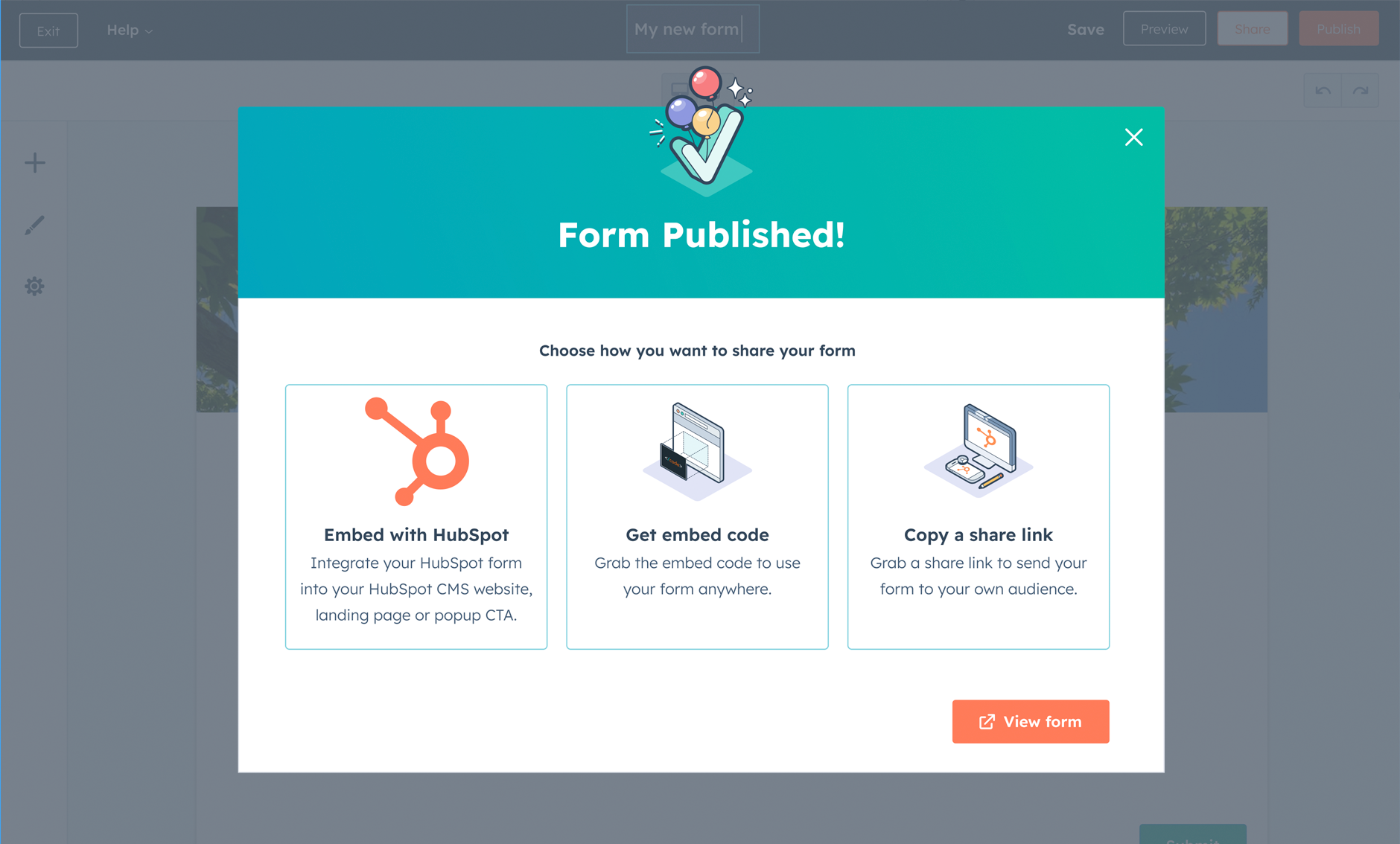
Creating and managing forms had become fragmented and confusing: properties were hard to work with, styling was unintuitive, and publishing flows were unclear.
Marketers either shipped “good‑enough” forms that underperformed or abandoned the editor for external tools, creating UX, data quality, and maintenance risks.
My Role and Scope
I was the senior product designer on the project, working alongside a Design Lead. I helped define the opportunity, shape the UX direction, and drove execution across multiple teams.
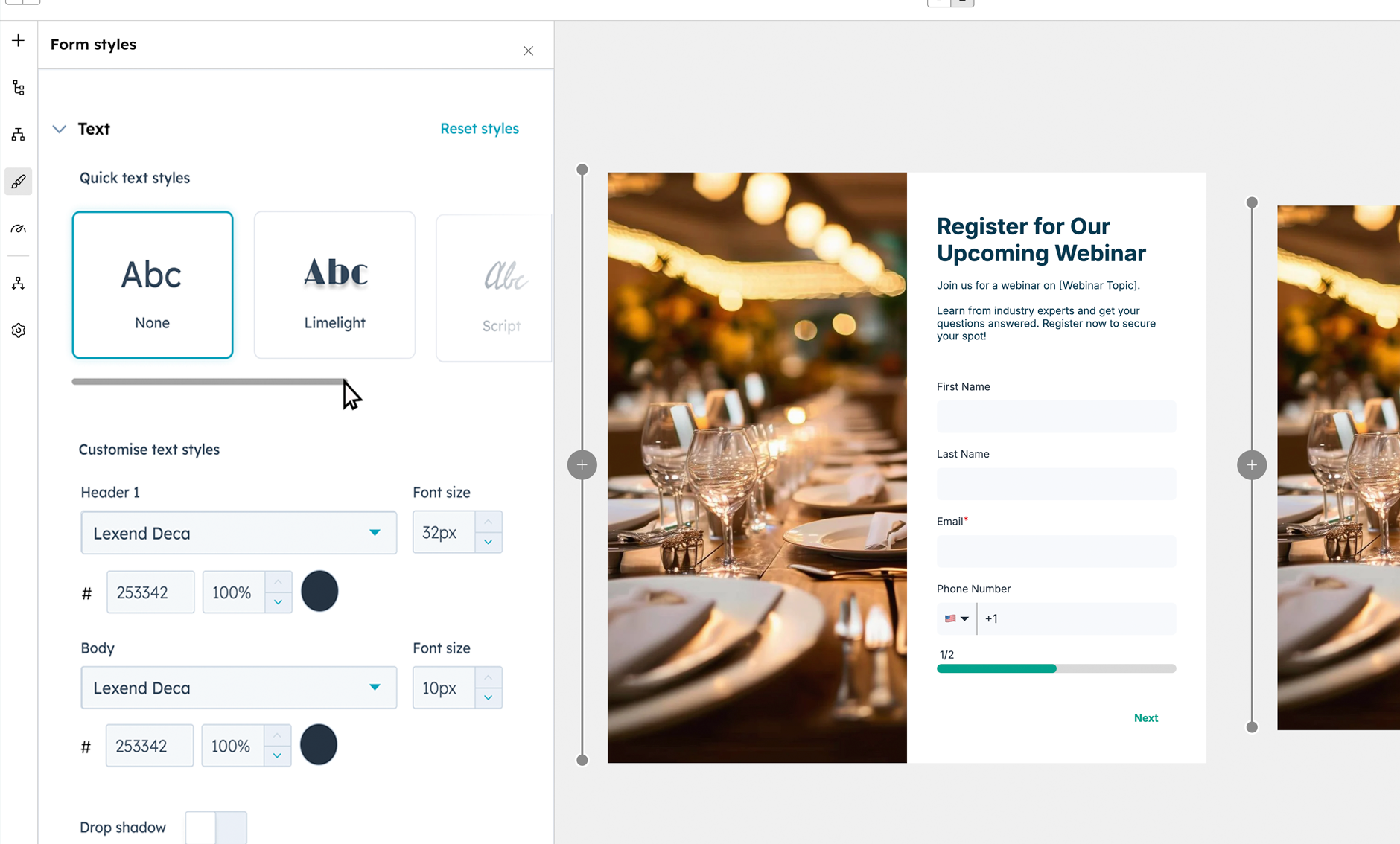
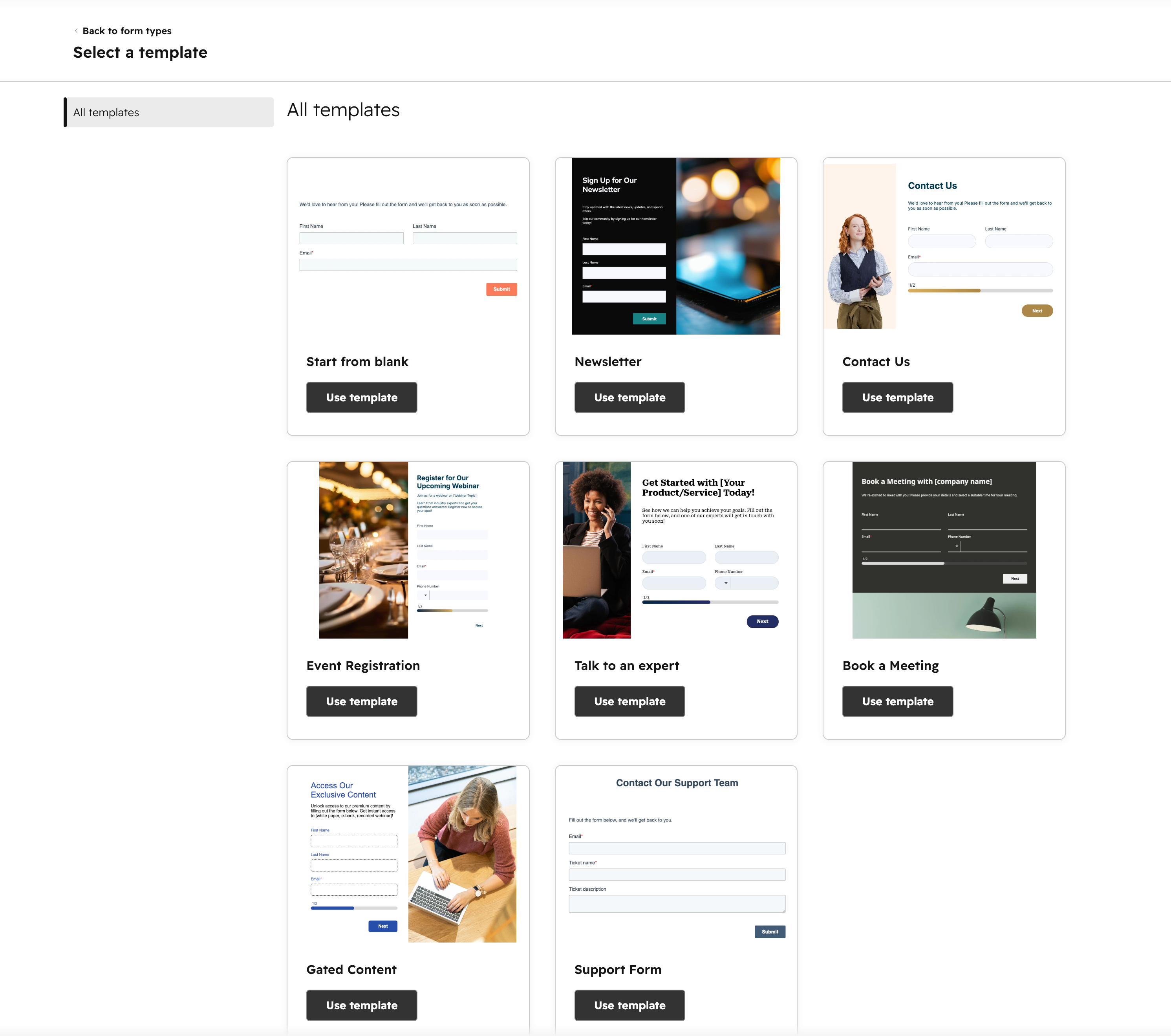
I owned key areas of the experience, including the new IA and navigation, multistep form flows, the styling system, and consent and subscriptions, and embedded research throughout concept, alpha, and private beta phases.
Defining the Opportunity
To move beyond surface complaints, I synthesised insights from CX reviews, CSAT, a usability grading study, and UX Jira.
This work clarified four core problems: friction when building forms, complexity with properties, constrained styling, and a lack of clarity around publishing—becoming the backbone of the Editor 2.0 strategy and roadmap.
Shaping the New Forms Editor Vision
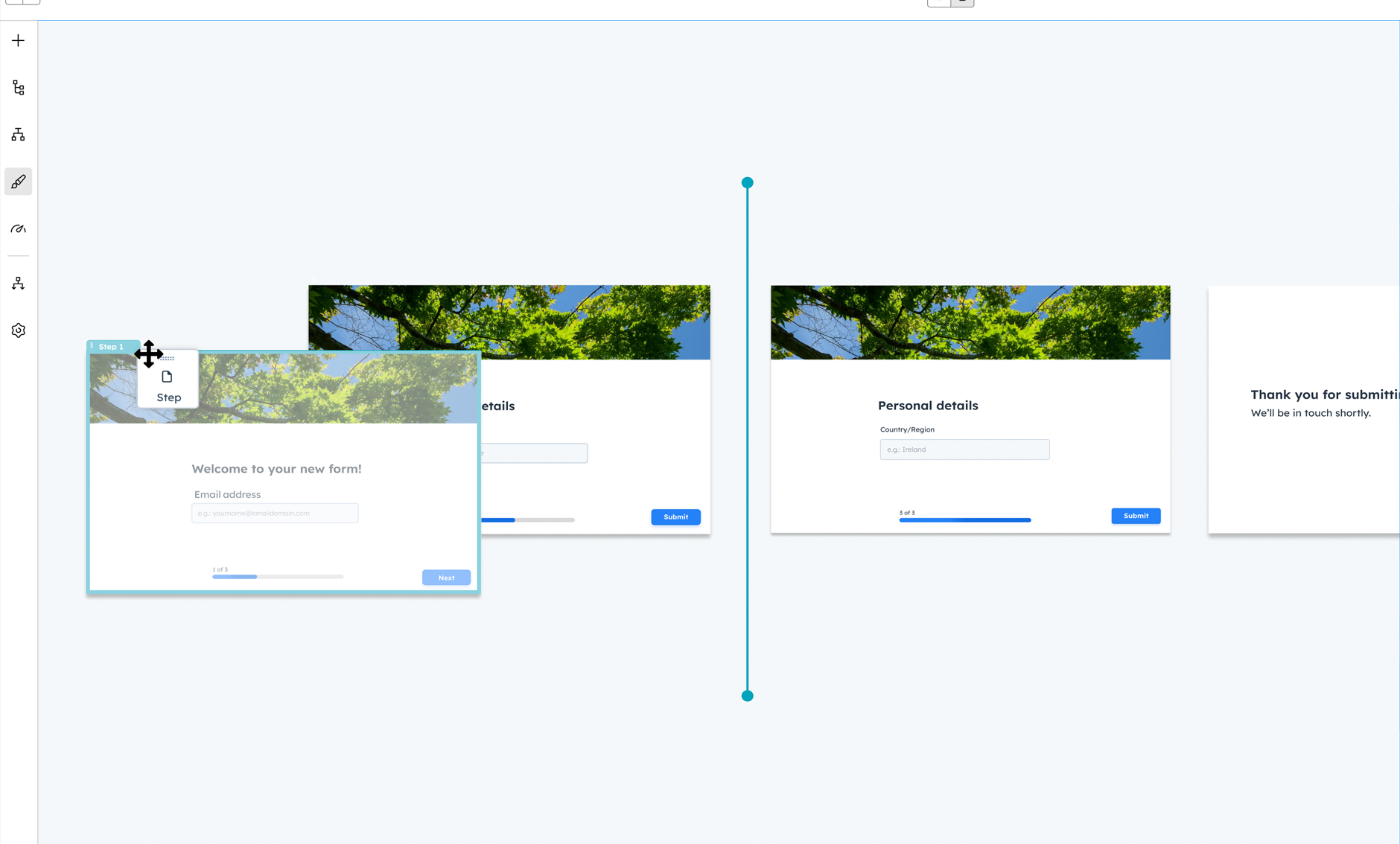
Through ideation workshops, competitor reviews, and inspiration boards, we converged on a content‑first model: marketers should build the form content first, then layer logic and styling.
I translated this mental model into a new editor structure and information architecture, making primary tasks feel like a coherent flow rather than disconnected panels.
Embedding Research into Delivery
I helped plan and run research across the lifecycle: early concept tests, an alpha usability and satisfaction study, and private beta feedback synthesis.
These studies benchmarked Editor 2.0 against the legacy experience, surfaced remaining friction, and directly informed iteration and backlog prioritisation.
Expanding the System to Feedback Surveys
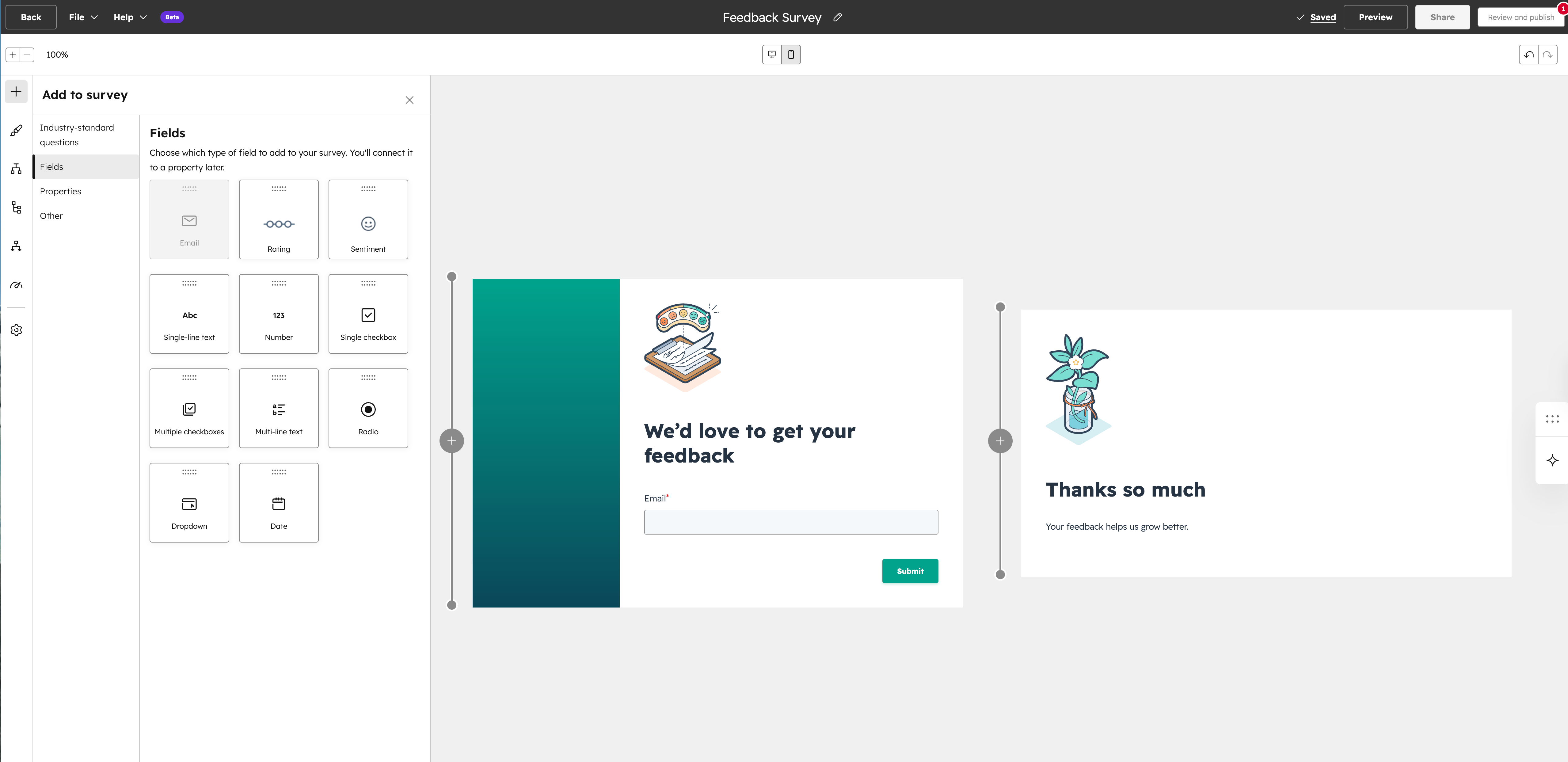
After Forms, I led UX work to bring Feedback Surveys onto the Editor 2.0 framework.
I adapted shared patterns to support survey‑specific workflows (including email and chat), designed end‑to‑end flows, and documented decisions and walkthroughs to onboard a new PM and designer and unblock engineering.
Outcomes & Impact
The redesign improved usability from a “C” to a high “B” in grading studies, and forms built in Editor 2.0 showed significantly higher conversion than those in Editor 1.0.
CSAT for the new editor also increased, indicating marketers found the experience easier, more powerful, and better suited to their workflows.
Beyond the metrics, this work became an internal reference for research-led product strategy, cross-functional alignment, and scalable design systems—and earned recognition across the organisation.
Continuing to Lead After the First Release
After the initial Editor 2.0 release, our Design Lead moved on to other workstreams, and I stepped into a larger leadership role for ongoing UX delivery within the Forms ecosystem.
In this phase, I led the design of several high‑impact capabilities that deepened the value of Forms beyond basic lead capture. I designed Support Forms that connect HubSpot users directly to their inbox and support pipeline, helping teams route issues more reliably and close the loop faster. I also led UX for payment redirects, error and validation patterns, and safer unpublishing flows—ensuring that as the product surface grew more powerful, it also remained clear, resilient, and forgiving for marketers operating at scale.